Case Studies
Victor Tsui CEng MIMechE MCIPHE MCIBSE
Published: 13/08/2026
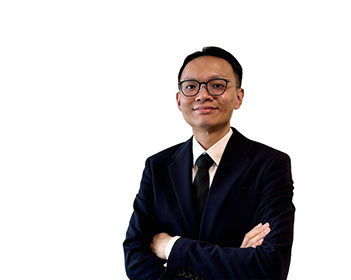
Education and qualifications:
MSc Engineering Management, City University of Hong Kong
BEng (Hons) Product Engineering with Marketing, The Hong Kong Polytechnic University
Area/Field of engineering:
Facilities Engineering
What/who inspired you to become an engineer?
My inspiration to become an engineer stemmed from a fascination with how complex systems operate. The ability to create efficient solutions that enhance safety and functionality in everyday life motivated me to pursue a career in engineering.
Please describe your role within the workplace.
In my role as Assistant Engineering Manager, I lead a team managing routine maintenance across critical systems. I organise maintenance programs, ensure compliance with safety standards, analyse operational data, and oversee budgets, all while enhancing knowledge transfer and training within the team.
What is the most challenging aspect of your role?
The most challenging aspect of my role is balancing routine maintenance demands with project management. Ensuring all systems operate efficiently while addressing unexpected issues requires adept prioritisation and resource management, particularly in a fast-paced environment where safety and compliance are paramount.
What is the most enjoyable aspect of your role?
The most enjoyable aspect of my role is successfully completing projects that enhance operational efficiency. Seeing the tangible results of our work, such as improved systems and safety measures, is rewarding. In addition, mentoring technicians and sharing knowledge across teams adds to my fulfilment.
What is the biggest career highlight or achievement you’re most proud of?
A career highlight I’m proud of is completing the Uninterruptible Power Supply, Building Management System and Chilled Water Pipe replacement projects in financial institutions. This involved coordinating cross-functional teams, managing timelines, and ensuring compliance with safety standards. Successfully completing these projects improved system reliability and energy efficiency, showcasing my ability to manage complex initiatives.
Why did you choose to become professionally registered?
I decided to become professionally registered to enhance my credibility and demonstrate my commitment to engineering excellence. Registration signifies adherence to high standards of practice and ethics, which is essential for gaining the trust of clients and stakeholders in my role managing critical facilities.
I would recommend professional registration because…
I would recommend professional registration because it establishes a recognised benchmark of competence and professionalism in the engineering field. It opens opportunities for career advancement, enhances credibility, and provides access to a network of professionals, all of which are invaluable for personal and professional growth.
What career advice would you give to your younger self?
I would advise my younger self to embrace continuous learning and seek mentorship early on. Building strong relationships and actively seeking feedback would accelerate my growth. Additionally, staying adaptable in the face of challenges would pave the way for more opportunities and successes in my career.
Do you participate in mentoring, volunteering, or membership of other engineering groups?
Yes, I actively participate in mentoring programs within my organisation, helping technicians develop their skills. I also volunteer for engineering workshops and am a member of professional engineering associations, which provide networking opportunities and keep me updated on industry trends and best practices.
If relevant, please list three favourite projects you have worked on:
UPS, BMS and Chilled Water Pipe Replacement in financial institutions - Enhanced system reliability and energy efficiency.
External Wall Refurbishment Project - Managed a US$6 million project, migrating critical systems successfully.
Chiller Retrofit Project - Improved energy efficiency and operational effectiveness across multiple buildings.