Case Studies
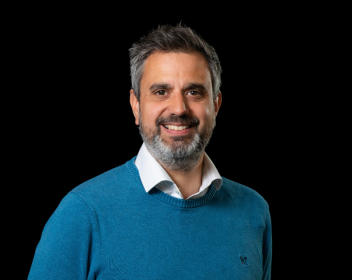
Luke Hadley CEng MIET MCIBSE
Published: 09/09/2026
Education and qualifications:
MEng Electrical and Electronic Engineering, University of Bath
Area/field of engineering:
Building Services, Electrical Engineering
What area or field of engineering do you work in?
I am the Electrical Director of a building services consultancy called Max Fordham LLP. The consultancy is a partnership of engineers, designers and consultants, working within the built environment sector to deliver a sustainable future. I lead the electrical design and ensure life safety compliance across a wide range of project types. My role combines technical leadership, quality assurance and strategic engineering delivery.
Who has had the biggest influence on your journey as an engineer—and how?
My grandfather and uncle were electrical engineers, both working for the BBC and other London-based television companies. At 15, I spent a week with my uncle getting an insight into that industry, and I was fascinated. Looking back, it is clearly no coincidence that I chose an electrical and electronic engineering degree following my A levels.
What makes engineering more than just a job for you?
Engineering is more than a job to me because I see the world through an engineer’s eyes. I always have, and I know that I am not alone in that. For me, it means that I like to understand how everything works, solve problems, and generally approach life in a fairly logical way.
How does your work contribute to a safer, fairer, or more sustainable world?
My work improves safety, fairness and sustainability by designing reliable electrical and life safety systems for complex buildings, reducing risks and protecting occupants. I prioritise low energy solutions, resilient infrastructure and compliance with the highest standards. Through leadership and mentoring, I help build competence within my practice, contributing to a safer, more sustainable built environment.
What is the biggest career highlight or achievement you’re most proud of?
My career highlight was seeing the Tate Modern Switch House completed after eight years working as the Project Electrical Engineer. Working alongside a talented design team led by architects Herzog & de Meuron to deliver the 11-storey, low-energy extension to Tate Modern was an excellent experience that I look back on with a great deal of pride.
Why did you choose to become professionally registered?
I originally chose to become professionally registered to recognise the experience I had amassed delivering complex projects and to demonstrate my commitment to myself, my practice, and the wider industry. Professional registration demonstrates competence, accountability and integrity, and motivates me to uphold high standards, promote safer practice, and support the development of future engineers.
I recently decided to go a step further and become a Chartered Engineer for Higher-Risk Buildings (HRB), as I wanted to lead by example and show that our industry is prepared to change in response to the Building Safety Act.
What does professional integrity mean to you in engineering?
Professional integrity means doing the right thing even when it’s difficult, prioritising safety, honesty and good engineering judgement above convenience or commercial pressure. It’s about being accountable, following standards, challenging poor practice, and delivering work I’m proud of. Integrity builds trust, protects people, and underpins everything responsible engineering should stand for.
How has professional registration benefitted you or your employer?
Professional registration, or being a Chartered Engineer, often strengthens project bids. It demonstrates proven competence, accountability and adherence to recognised standards, which reassures clients and project managers. For higher risk building project bids, having Chartered Engineers (HRB) can be a clear differentiator and adds credibility to our proposed team.
If you could change one perception about engineering, what would it be and why?
I would like to change three misconceptions: that it is a man’s profession, that it is all maths, and that it is a bit boring. My experience working for a premier consultancy in the UK construction industry for nearly two decades couldn’t be further from this. Gender is irrelevant; the job is all about good communication and applying judgment. I have had a lot of fun and feel a great deal of pride from the small part I have played in some fantastic buildings!
How do you hope to inspire the next generation of engineers?
I hope to inspire the next generation of engineers by sharing real project experiences, encouraging curiosity, and showing the positive impact that our work has on people and places. I will continue to lead by example, treating everyone with respect and upholding high professional standards.