Case Studies
James Byass CEng MCIBSE
Published: 17/06/2026
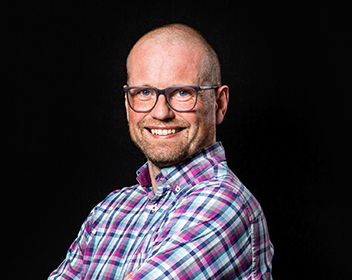
Education and qualifications:
BEng Hons Electrical and Electronic Engineering, Nottingham University
Area/field of engineering:
Building Services Consultancy
What area or field of engineering do you work in?
I am a building services engineer and a Mechanical, Electrical and Plumbing Engineering Director at Max Fordham LLP, where I lead a London‑based group specialising in residential projects.
Who has had the biggest influence on your journey as an engineer—and how?
I started working at Max Fordham LLP as a graduate engineer in 2004. I am fortunate to have been supported and supervised by fantastic engineers throughout my career. Mark Skelly taught me to start solving all engineering challenges with a blank sheet of paper and to think from first principles to arrive at whole-building solutions, and Chris Banyard taught me to lead by example.
What makes engineering more than just a job for you?
I am passionate about problem-solving and finding solutions that enrich the lives of ordinary people. I like working as part of a team with a common goal. Urban housing regeneration is complicated and requires patience, but the reward is clear when residents start moving into projects I have been involved with.
How does your work contribute to a safer, fairer, or more sustainable world?
Most of the housing projects I have worked on are to replace old housing stock that is no longer fit for purpose. The projects we design today are a huge step forward for safety, with sprinklers and second stairs incorporated on nearly all projects. Many of our residential projects are fossil fuel-free in operation, and sustainability is considered at every design stage.
What is the biggest career highlight or achievement you’re most proud of?
I have recently become registered as a Chartered Engineer for higher-risk buildings (HRB). This recognition draws on my 20-plus years of experience and, in many ways, is the culmination of my career to date.
Why did you choose to become professionally registered?
As a practice, we are working on multiple projects that include higher-risk buildings. It is vital that we can demonstrate the required competence to work on these projects. Becoming HRB registered is an important step towards demonstrating competence.
What does professional integrity mean to you in engineering?
I believe professional integrity in engineering means acting with honesty, independence and accountability. I will always prioritise safety, accuracy and the public good. I will resist pressures that compromise quality, be open and honest with clients, and lead by example so that ethical, rigorous decision making is embedded in every project.
How has professional registration benefitted you or your employer?
I have only recently been recognised as a Chartered Engineer (HRB); this was achieved via a pilot scheme run by CIBSE, so it is early days. I believe that as the designation becomes more widely recognised within the industry, it will be a benefit as clients and teams start to ask for Chartered Engineer (HRB) team members. This will give our clients confidence in the team they have appointed.
If you could change one perception about engineering, what would it be and why?
I’d challenge the idea that engineering is only about numbers. Creativity is fundamental to what we do — finding elegant, efficient solutions that keep people safe, comfortable and able to live well. Whether it’s building safety in HRBs or the everyday performance of a home, engineering decisions directly shape people’s lives. I’d like more people to understand the huge range of our responsibilities.
How do you hope to inspire the next generation of engineers?
I look forward to coming to work in the morning. I enjoy developing engineering solutions to complex projects that will enrich residents' lives for many years to come. I hope I am seen as leading by example and that I am instilling the same job satisfaction in future generations of engineers.