Case Studies
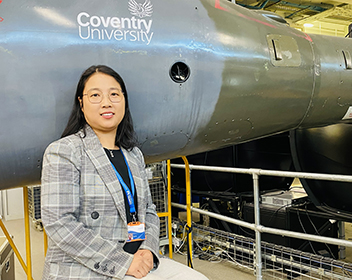
Dan Hu CEng FHEA MIET
Published: 27/10/2026
Education and qualifications:
PhD Vehicle Engineering, State Key Laboratory of Automotive Simulation and Control, Jilin University, China
MSc Vehicle Engineering, Jilin University, China
BSc Vehicle Engineering, Jilin University, China
Area/field of engineering:
Biomechanical engineering with a strong foundation in mechanical engineering and computational modelling
What area or field of engineering do you work in?
I work in mechanical Engineering, specialising in computational biomechanics, with expertise in teaching mechanical engineering subjects, leading and managing engineering degree programmes as a course director, and conducting research on human movement modelling, gait analysis, musculoskeletal simulation, and biomechanics-informed design for rehabilitation and assistive technologies.
Who has had the biggest influence on your journey as an engineer—and how?
My PhD supervisor has had the biggest influence on me. He taught me technical skills and research methods, and his enthusiasm for understanding nature’s principles inspired my curiosity for discovery. His determination to apply research to real-world challenges has greatly shaped my interests and values as an engineer.
What makes engineering more than just a job for you?
Engineering is more than a job to me because I enjoy both teaching and discovery. Seeing students develop is highly rewarding, and I am motivated by exploring new ideas and solving real-world problems. Applying engineering principles to create practical solutions makes the profession both meaningful and exciting.
How does your work contribute to a safer, fairer, or more sustainable world?
Through teaching and mentoring future engineers, I promote ethical, evidence-based engineering practice and equal opportunities for students from diverse backgrounds. My research in computational modelling and design optimisation can reduce reliance on extensive physical testing, supporting more resource-efficient and sustainable engineering development.
What is the biggest career highlight or achievement you’re most proud of?
I am most proud of receiving positive feedback from students and seeing their growth as engineers. I am also proud of independently taking a research idea through every stage—from concept development and technical analysis to collaboration and publication—turning an idea into a tangible contribution to knowledge.
Why did you choose to become professionally registered?
I chose to become professionally registered because it represents a significant milestone in my professional development. It recognises my experience as an engineer, educator, and researcher, while demonstrating my commitment to maintaining high professional standards, continuous learning, and contributing positively to the engineering profession.
What does professional integrity mean to you in engineering?
Professional integrity means taking responsibility for maintaining high standards in my teaching, leadership, and research. As a Course Director, I strive to ensure fairness, quality, and ethical practice. As a researcher, I am committed to evidence-based work, transparency, and conducting research responsibly for the benefit of society.
How has professional registration benefitted you or your employer?
Professional registration has reinforced my commitment to professional integrity, continuous development, and excellence in engineering education. It allows me to act as a role model for students and demonstrate the value of professionalism in engineering practice. It also benefits the university by supporting accreditation activities and enhancing its reputation.
If you could change one perception about engineering, what would it be and why?
I would change one belief that engineering is merely about machines, calculations, and technical problem-solving. Through my work in teaching and research, I have seen how engineering can enhance health, mobility, accessibility, and sustainability. Changing this perception would help attract a more diverse range of talented people into the profession.
How do you hope to inspire the next generation of engineers?
I hope to inspire the next generation of engineers by fostering curiosity and encouraging a passion for applying engineering knowledge to solve real-life problems. I want to help students see that engineering is not just about technical skills, but about creating solutions that can make a meaningful difference to people’s lives.