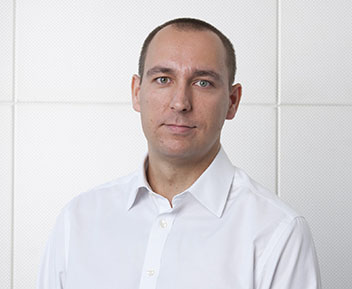
What area or field of engineering do you work in?
I am a Chartered Engineer working in fire engineering and recently became registered as a Chartered Engineer (HRB). I work across different sectors, including higher-risk buildings, rail and residential projects. My role spans the full building lifecycle - developing fire strategies at the design stage, reviewing existing buildings, supporting construction, and providing fire safety advice during occupation.
Who has had the biggest influence on your journey as an engineer—and how?
I spent most of my early career at Arup, and the engineers I worked with there had the biggest influence on me. They set high technical standards but also showed that good engineering is about judgment, collaboration and accountability. That foundation shaped how I approach projects and lead teams today.
What makes engineering more than just a job for you?
I genuinely enjoy the technical side of fire engineering - understanding how buildings behave in fire and solving complex problems. But it is more than that. The work affects real people and real buildings. Knowing that the decisions I make influence safety gives the role meaning and responsibility.
How does your work contribute to a safer, fairer, or more sustainable world?
My work focuses on making buildings safer in a practical and proportionate way. Whether designing new projects or reviewing existing ones, I aim to improve safety without unnecessary cost or disruption. That balance protects residents, supports responsible development and avoids wasteful over-engineering.
What is the biggest career highlight or achievement you’re most proud of?
Delivering Crossrail (Elizabeth Line) has been the biggest highlight of my career. I worked on multiple stations, tunnels and ancillary buildings across the route, and later led detailed design and verification at Liverpool Street station. Being involved for over ten years was both demanding and hugely rewarding.
Why did you choose to become professionally registered?
I first became Chartered in 2016. Pursuing Chartered Engineer (HRB) was different - it felt necessary given the changes in regulation and the increased focus on higher-risk buildings. It was about demonstrating current competence in a more demanding environment and recognising that professional standards must evolve with responsibility.
What does professional integrity mean to you in engineering?
Professional integrity means being honest and clear in your advice, even when it is not the easiest answer. It means explaining risk properly, not oversimplifying complex issues, and standing by sound technical judgment. Safety must always come before convenience or commercial pressure
How has professional registration benefitted you or your employer?
Professional recognition gives confidence to clients, regulators and peers that they are working with someone independently assessed to a high standard. It also sets an example to the colleagues I mentor, encouraging them to pursue registration themselves and raise standards across the profession.
If you could change one perception about engineering, what would it be and why?
I would challenge the idea that once qualified, an engineer’s competence is fixed. The regulatory landscape has changed significantly in recent years, particularly in higher-risk buildings. Engineering requires continuous development and reassessment. Competence should evolve with responsibility, not remain static.
How do you hope to inspire the next generation of engineers?
By showing that professional growth does not stop at initial qualification. I want younger engineers to see that developing judgment, accountability and integrity is a continuous process. Pursuing higher standards, even later in your career, demonstrates commitment to both the profession and public safety.